
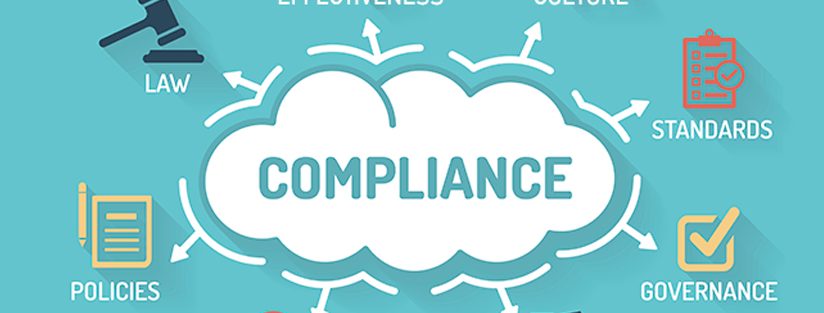
As organizations enter 2026, corporate compliance is no longer a static, checklist-driven function. Regulatory environments across jurisdictions are evolving at unprecedented speed, driven by economic uncertainty, digital transformation, ESG priorities, data protection reforms, and heightened enforcement by regulators. For corporate compliance officers, the beginning of the year represents a critical window to reassess frameworks, recalibrate risk exposure, and align governance structures with emerging regulatory expectations.
This guide examines the key compliance considerations shaping early 2026 and provides practical insights for organizations seeking to remain compliant, resilient, and regulator-ready in a rapidly shifting legal landscape.
Why Early 2026 Demands a Proactive Compliance Strategy
Historically, regulatory reforms and enforcement priorities tend to crystallize at the start of the calendar year. Governments, regulators, and supervisory agencies often roll out new rules, guidance notes, and enforcement agendas in Q1, leaving organizations with limited time to adapt.
In early 2026, compliance officers are facing a convergence of risks, including:
-
Expanded regulatory oversight across multiple sectors
-
Increased personal liability for directors and officers
-
Tighter reporting and disclosure obligations
-
Greater scrutiny of internal controls and governance failures
Organizations that treat compliance reactively risk not only financial penalties but also reputational damage and operational disruption.
Key Regulatory Trends Reshaping Corporate Compliance in 2026
1. Heightened Regulatory Enforcement and Penalties
Regulators are moving beyond advisory enforcement to aggressive sanctions. In many jurisdictions, penalties for non-compliance now include:
-
Substantial administrative fines
-
License suspensions or revocations
-
Public naming and shaming
-
Director disqualification and personal exposure
Compliance officers must therefore ensure that internal controls are not only documented but demonstrably effective.
2. Expansion of ESG and Sustainability Compliance Obligations
Environmental, Social, and Governance (ESG) compliance is no longer optional or reputational in nature. In 2026:
-
ESG disclosures are increasingly mandatory
-
Greenwashing enforcement is intensifying
-
Supply chain due diligence requirements are expanding
Organizations must integrate ESG risk management into their core compliance architecture rather than treating it as a standalone initiative.
3. Data Protection and Cybersecurity Regulation
Data privacy and cybersecurity continue to dominate regulatory agendas. With increased digitalization:
-
Regulators expect stronger data governance frameworks
-
Breach notification timelines are shortening
-
Cross-border data transfer rules are tightening
Compliance teams must work closely with IT, risk, and senior management to ensure regulatory alignment across digital operations.
4. Corporate Governance and Director Accountability
Regulatory authorities are placing renewed emphasis on governance failures as root causes of corporate misconduct. In 2026, there is increased focus on:
-
Board oversight of compliance systems
-
Tone-from-the-top accountability
-
Documentation of decision-making processes
Compliance officers must ensure that boards are not only informed but actively engaged in compliance oversight.
Practical Compliance Priorities for Corporate Compliance Officers
To navigate the evolving regulatory environment effectively, organizations should prioritize the following actions early in the year:
Conduct a Comprehensive Compliance Risk Assessment
-
Review regulatory changes applicable to your industry
-
Identify new and emerging risk areas
-
Re-evaluate existing compliance gaps
Update Policies, Procedures, and Training
-
Align internal policies with new regulatory requirements
-
Refresh employee training programs
-
Ensure policies are practical, accessible, and enforceable
Strengthen Monitoring and Reporting Mechanisms
-
Enhance internal audits and compliance monitoring
-
Implement real-time reporting and escalation frameworks
-
Maintain clear documentation for regulatory review
Engage Legal Advisors Early
Regulatory complexity increasingly demands specialist legal insight. Early engagement with experienced corporate law firms ensures:
-
Accurate interpretation of new regulations
-
Reduced risk of misapplication
-
Strategic alignment between legal, compliance, and business objectives
The Role of Legal Counsel in Modern Compliance Strategy
In a changing regulatory environment, compliance officers can no longer operate in isolation. Legal counsel plays a critical role in:
-
Interpreting ambiguous or evolving regulations
-
Advising on enforcement risk and mitigation
-
Supporting internal investigations and regulator engagements
-
Designing governance frameworks aligned with best practices
Partnering with a law firm that understands both regulatory law and business realities enhances compliance effectiveness and organizational resilience.
Conclusion: Turning Compliance into a Strategic Advantage
Early 2026 presents both challenges and opportunities for corporate compliance officers. Organizations that proactively adapt to regulatory change position themselves not only to avoid penalties but to build trust with regulators, investors, and stakeholders.
By embedding compliance into corporate strategy, strengthening governance structures, and engaging experienced legal partners, businesses can transform compliance from a defensive obligation into a competitive advantage.
About Premium Partners
Premium Partners is a leading corporate law firm providing strategic legal advisory services across corporate compliance, regulatory risk management, governance, and business operations. Our team supports organizations in navigating complex regulatory environments with clarity, precision, and commercial insight.